
The best web design software should give you room to grow, keep your site looking good on any screen, and handle the basics like content updates, SEO, and performance without making you jump through hoops. Some tools focus on simplicity, others on precision, and a few try to balance both.
For this guide, we rolled up our sleeves and tested the top web design platforms ourselves. We built demo sites, explored their customization tools, and checked how they hold up when it comes to design flexibility, responsiveness, and pricing.
So whether you are a freelancer crafting a landing page, a creator putting your work out there, or a company building for scale, this roundup will help you find the right tool to build a site that actually works for you.
Best personal data removal service deals of the week
-
Incogni - Exclusive Deal: 55% Off Incogni Individual Annual Plan With Code "" :$162 (save $198)
What is the best web design tool right now?
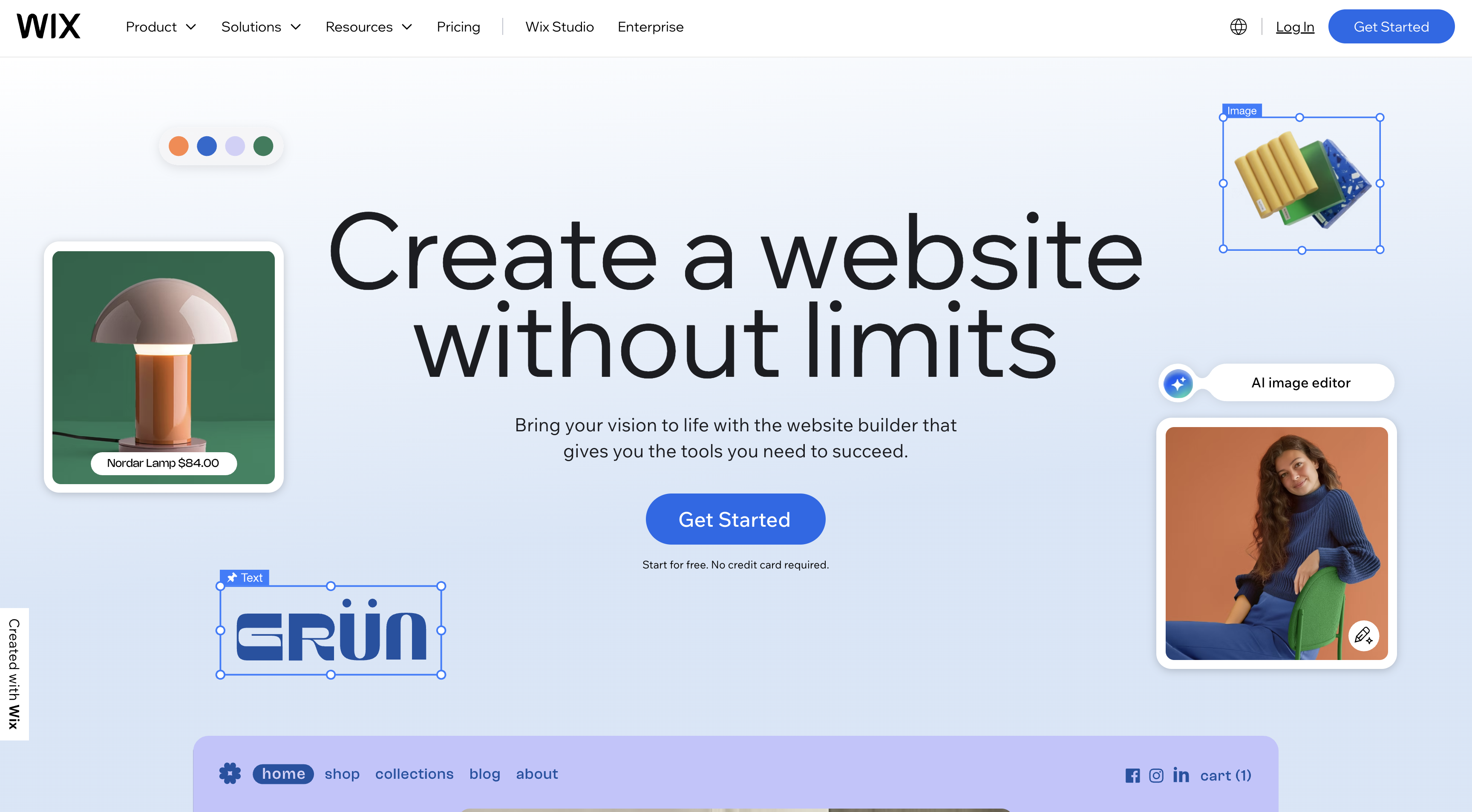
Wix stands out as the best web design tool in 2026 for most people. You can choose from more than 900 templates, let its AI builder set up the basics, and add e-commerce or bookings as needed. It is approachable for beginners yet flexible for growing businesses.
Also: The best website builders: Expert tested
If you want finer design control, Webflow is a strong option, while Figma Sites suits designers who want to go straight from layouts to live sites.
Get more in-depth tech coverage: Add us as a preferred Google source on Chrome and Chromium browsers.
The best web design software in 2026
Wix
Best web design software overall
With Wix, you can lean on the AI to generate a sitemap or pick from its 900-plus templates. There is something for every need, whether it is a minimal blog, a clean product catalog, or a bold agency portfolio. And let's be honest, the hardest part of building a site is often staring at a blank page. Wix takes that pain away by giving you a ready starting point.
Once you are inside the editor, the customization options go well beyond drag and drop. You can fine-tune layouts with a section grid, add scroll-based animations, and adjust how elements function on different devices. This is important because many builders gloss over responsive design, leaving you to fix layouts manually.
E-commerce stores get customizable checkouts and access to over 100 payment providers. Restaurants, hotels, and service businesses have vertical-specific tools ready to use. Performance optimization and SEO tuning can still take patience, but Wix makes the essentials accessible with built-in analytics, an SEO assistant, and direct Google Search Console integration.
Wix starts at $17/month, with four paid tiers and a free option. Most users pick the Core plan for storage, branding, and built-in marketing tools.
Why we like it: Wix strikes the right balance between ease and control. You can start fast with its AI builder, then fine-tune every section using advanced layouts and animations. It feels intuitive for beginners yet powerful enough for pros who want a polished site without touching code.
For professionals, Wix Studio takes things further. There are advanced responsive controls, no-code animations, and even custom React components. Agencies and freelancers don't need to abandon Wix once they outgrow templates. They can scale projects and hand them off smoothly to clients.
Who it's for:
-Beginners who want drag-and-drop ease with templates
-Users who want AI help with design, content, or images
-Freelancers and agencies managing multiple client sites
-Small business owners who need e-commerce, bookings, or scheduling
Who should look elsewhere:
-Designers who dislike template-driven workflows
-Developers who prefer fully open-source frameworks
-Enterprises needing highly specialized backend control
-Users looking for the absolute cheapest hosting-only option
Wix features: AI text and image generation | Section Grid editor for layout precision | Visual photo and video editor | Built-in e-commerce dashboard | Custom checkout and bookings setup
Figma
Best for easy design
Designers already know Figma as the go-to for prototyping and collaboration, but with the launch of Figma Sites, it steps directly into the website builder space. Imagine sketching a navigation bar, setting it to auto layout, and then publishing it straight to a live site without exporting or re-coding. As someone who has spent hours switching between design apps and builders, the smoother workflow here was nothing but a sigh of relief.
For more advanced needs, code layers let you inject React or Tailwind right into the design. That means you are not boxed into presets. If you need a stock ticker, you can create it once and reuse it as a component across the site. The balance here is important: non-technical teams can stick to blocks and embeds, while developers can extend the canvas into something close to a custom app.
The learning curve is still there. You can't just hop onto Figma if you're planning to launch a site tomorrow. For such ease, you will likely find Wix or Squarespace simpler. But if your focus is collaboration, clean responsive design, and moving smoothly from design to code, Figma gives you that.
Figma Sites comes with paid plans starting at $20/month, with full seat options for the Professional plan.
Why we like it: Figma finally bridges design and live publishing. Its auto-layouts, shared libraries, and new Sites feature make collaboration effortless. You design once and see it work instantly, no messy exports, no waiting on developers. It's built for creative teams that think in pixels but ship in real time
In Figma, you can drop in things like parallax effects, scrolling animations, or hover states without touching code. It makes a site feel alive, closer to a product interface than a static page.
Who it's for:
-Freelancers building responsive websites for clients
-Agencies handling multiple projects with shared libraries
-Teams that want design and development in the same workspace
-Designers who want to go from concept to code without switching tools
Who should look elsewhere:
-Beginners who only need a quick drag-and-drop builder
-Users with limited internet access, since Figma is cloud-based
-Teams that rely entirely on WordPress-style CMS management
-Businesses that prefer turnkey e-commerce or bookings out of the box
Figma features: Shared component libraries | Real-time collaboration | Figma Sites for live publishing | Integrated code layers (React, Tailwind) | FigJam and community templates | Advanced commenting and feedback system